
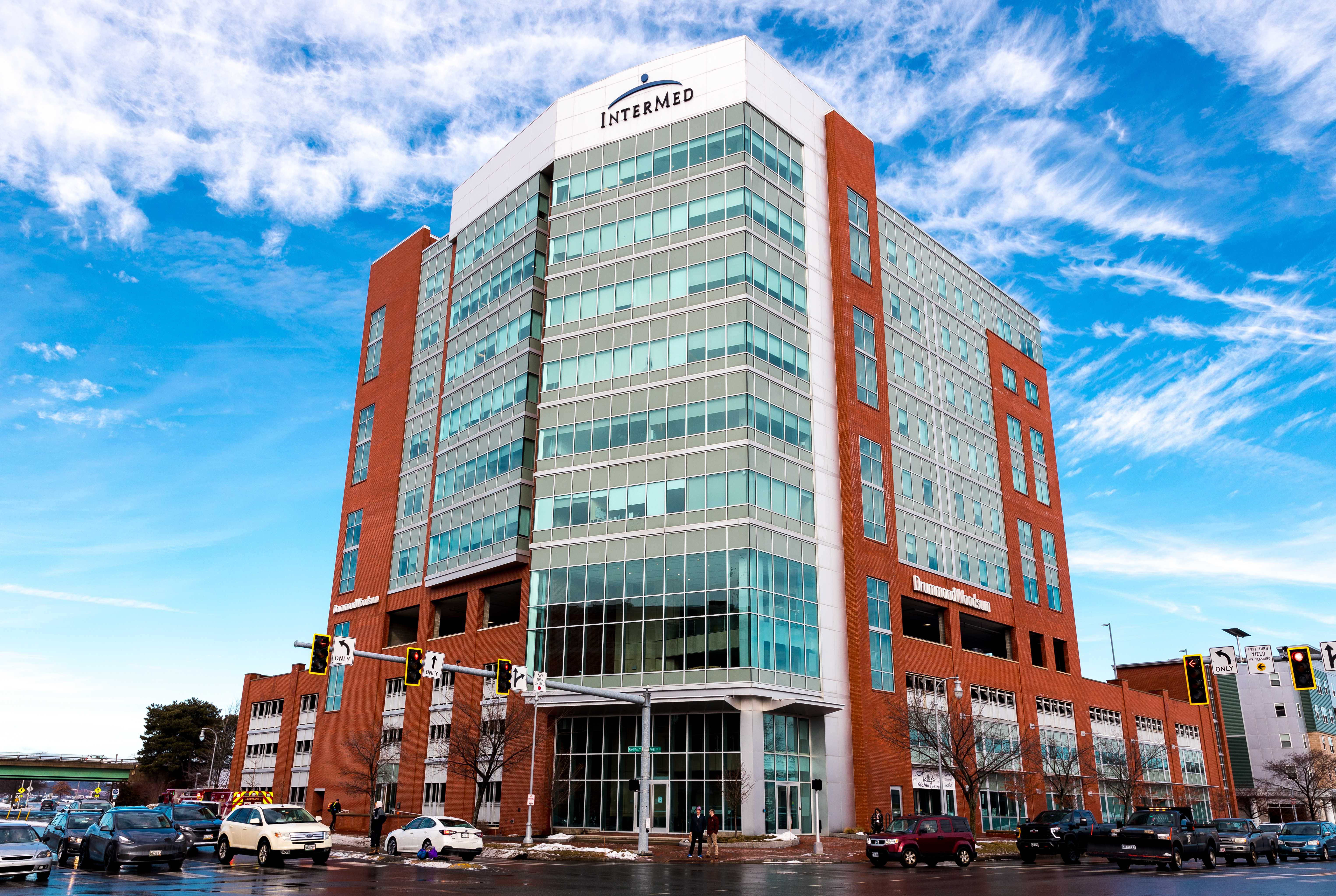
At InterMed, succession planning goes beyond identifying future leaders. It’s becoming a way to build readiness from within.
With more than 1,000 employees across five locations in Portland and surrounding Maine communities, InterMed operates in a complex, patient-centered care environment. Preparing future leaders in that context requires more than naming who might be next; it requires understanding what people need in order to grow.
When Lindsay Fitzgerald joined as Chief Human Resources Officer, that work was already underway. Leaders had begun using talent profiles to identify potential successors, and the organization had set a clear goal: every leader needed a succession plan.
For Lindsay, that work created an important starting point — but it also raised a bigger question about what should come next.
“It’s such a journey,” she says. “It’s much bigger than just identifying who your successor is; it is truly about understanding your organization’s vision and strategic goals - recognizing the skills and abilities needed to achieve those goals - and then creating the right selection and development tools to cultivate your talent.”
That perspective has shaped InterMed’s approach: succession planning is not simply about filling future roles, but building the structure to prepare people for them.
.png)
Like many organizations beginning to formalize succession planning, InterMed’s initial process was managed through Excel spreadsheets and PDFs. But what may be manageable at first can quickly become difficult to scale as more leaders, roles, and development needs enter the conversation.
As InterMed looked to build a more sustainable approach, Lindsay brought in SuccessionHR to move succession planning out of spreadsheets and into a more centralized, visible process.
That shift gave InterMed a clearer view of potential successors across the organization. It also surfaced a more strategic question: once potential successors are identified, how do you determine whether they are truly ready?
For Lindsay, answering that question meant connecting succession planning more directly to employee development.
“How can you determine your successor without establishing standards to define what success even looks like?” she explains.
InterMed’s next step was to develop competency models that define what success looks like for leaders across the organization. The framework gave leaders a shared language for discussing performance, growth, and readiness, along with a more consistent way to identify development needs.
Instead of simply asking who could fill a role, InterMed could begin asking what each person needed to strengthen in order to grow.
As InterMed developed its competency framework, succession planning became more connected to the broader talent lifecycle.
The same competencies that helped leaders assess readiness for future roles also created a common foundation for other talent decisions, from recruiting and interviewing to onboarding, performance management, development, and leadership growth.
“I think a lot of people don't realize, oh, [succession planning] actually touches every single piece of the talent life cycle,” Lindsay says.
That connection has made the work more tangible. InterMed hired a Learning and Development Specialist to build curriculum tied directly to the organization’s competency framework, giving employees clearer pathways to strengthen skills and address development gaps. InterMed has also partnered with external educational institutions to support more advanced learning opportunities.
What started as a succession planning initiative has evolved into something more comprehensive and impactful: a system for identifying potential, understanding development needs, and creating clearer pathways for growth.
InterMed’s succession planning journey is a reminder that naming successors is only one piece of the work. Without a clear foundation, succession plans can quickly become lists of names without meaningful context.
The key, Lindsay says, is to invest the time upfront.
“I think often there’s this race to check the box and get things done,” she explains. “But if you move too fast or don’t use a thoughtful, systematic approach, the return on the investment will be subpar.”
By building competency models, educating leaders, creating talent development plans, and connecting learning opportunities to defined gaps, InterMed is creating a more thoughtful approach to leadership continuity.
Most importantly, the organization is moving from identifying possible successors to preparing people with intention. Succession planning is becoming less about completing a required exercise and more about building the conditions for employees to grow.
.jpg)
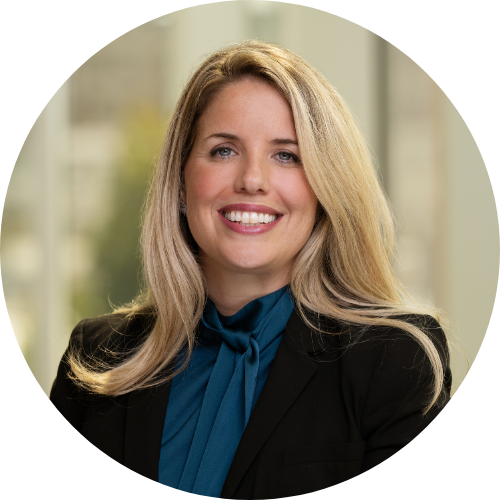
“It’s such a journey,” says Lindsay Fitzgerald, CHRO. “It’s much bigger than just identifying who your successor is; it is truly about understanding your organization’s vision and strategic goals - recognizing the skills and abilities needed to achieve those goals - and then creating the right selection and development tools to cultivate your talent."


