
Succession planning is evolving. What was once a static, spreadsheet-driven exercise is now expected to be a dynamic, data-informed process that builds leadership capability over time. As organizations face rapid change, shifting workforce expectations, and increasing leadership risk, traditional succession planning methods are no longer enough.
Innovative approaches to succession planning focus on readiness, development, and visibility. Rather than simply identifying replacements, modern strategies help organizations prepare leaders before transitions occur.
This article explores how succession planning is changing, what makes an approach truly innovative, and how organizations can adopt modern practices that strengthen leadership pipelines and reduce risk.
Many organizations still approach succession planning as a once-a-year activity focused on naming successors for senior roles. While well-intentioned, this approach often creates blind spots.
Common challenges with traditional succession planning include:
Without real-time insight and ongoing development, succession plans quickly become outdated. Modern succession planning requires a more continuous and integrated approach.
Innovative succession planning shifts the focus from replacement to readiness. It emphasizes development, shared ownership, and data-driven insight rather than static documentation.
Key characteristics of innovative succession planning include:
Organizations that adopt these principles are better positioned to adapt as roles, strategies, and talent needs evolve.
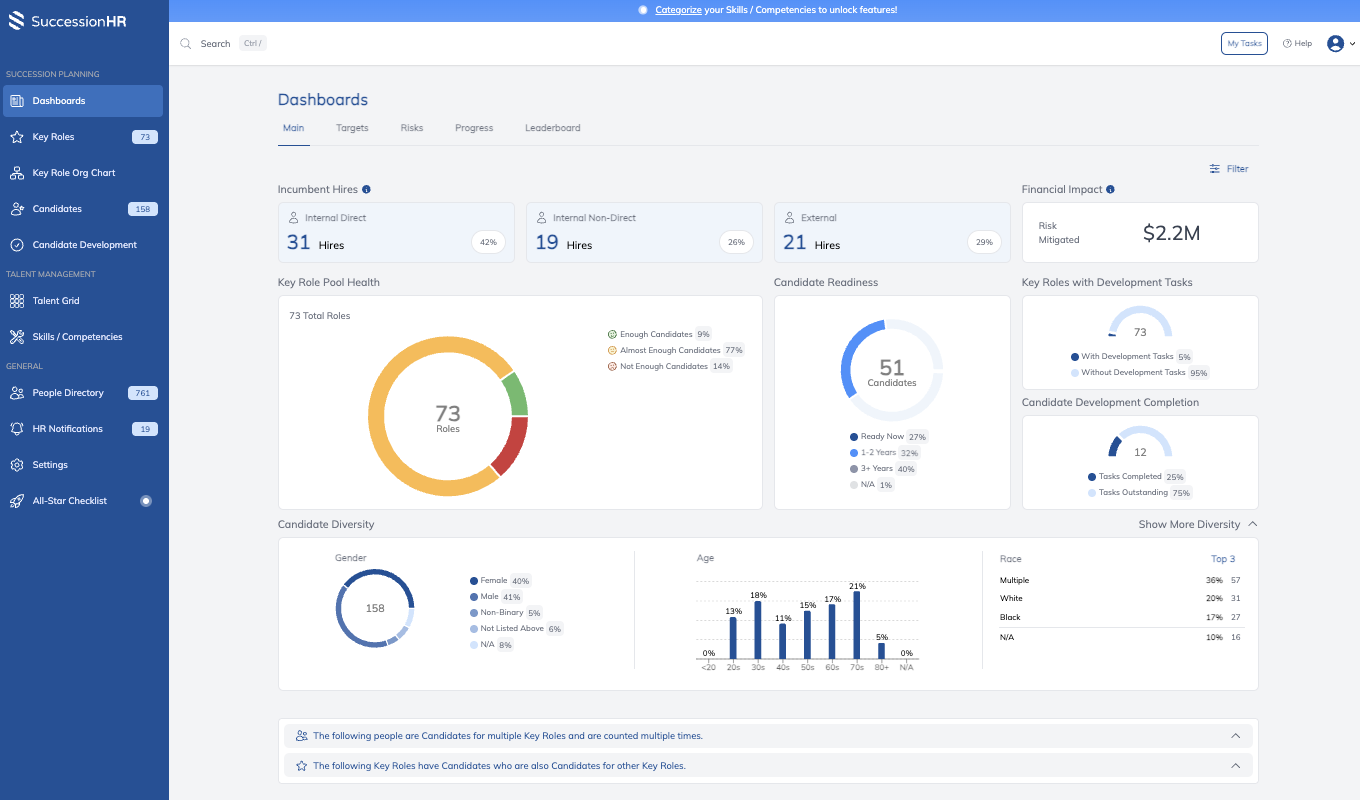
One of the most impactful innovations in succession planning is the use of data and analytics. Rather than relying on subjective judgment alone, organizations can use structured data to support more informed decisions.
Data-driven succession planning enables organizations to:
Dashboards and analytics provide leaders with shared visibility, making succession planning a strategic conversation rather than an administrative task.
Reverse mentoring is another innovative approach gaining traction. In this model, less-tenured or early-career employees mentor senior leaders, often around topics such as technology, inclusion, or emerging trends.
Benefits of reverse mentoring include:
By creating opportunities for mutual learning, organizations strengthen leadership capability at all levels.
Talent mobility programs are increasingly used to support leadership development and succession planning. Cross-functional roles, temporary assignments, and stretch projects allow employees to build skills and experience beyond their current positions.
Talent mobility supports succession planning by:
These experiences play a critical role in preparing individuals for future leadership roles.
Some organizations are adopting succession simulations and scenario planning to test readiness before transitions occur. These exercises allow leaders to explore “what-if” scenarios and evaluate how prepared successors truly are.
Succession simulations can help:
By practicing transitions before they happen, organizations reduce risk and improve outcomes.
Innovative succession planning also places a stronger emphasis on equity and inclusion. Expanding the leadership pipeline ensures a broader range of perspectives and experiences are considered.
Inclusive succession planning involves:
This approach strengthens leadership effectiveness while supporting organizational values.
In practice, innovative succession planning often looks like:
These shifts help succession planning become embedded in everyday leadership practices.
Innovation only matters if it delivers results. Measuring succession planning effectiveness ensures efforts remain aligned with business needs.
Key indicators to track include:
Regular review of these metrics allows organizations to refine their approach and maintain momentum.
Innovative approaches to succession planning are no longer optional. Organizations that rely on outdated methods risk leadership gaps, disengagement, and reactive decision-making.
By focusing on readiness, development, and visibility, modern succession planning helps organizations build stronger leadership pipelines and reduce risk before transitions occur.
Succession planning works best when it is continuous, data-driven, and shared across leaders — not confined to a spreadsheet or an annual exercise.
If you’re exploring more modern ways to approach succession planning, see how SuccessionHR helps organizations track readiness, reduce risk, and develop future leaders with clarity and confidence.
What is an innovative approach to succession planning?
An innovative approach focuses on leadership readiness, development pathways, and data-driven insights rather than simply naming replacements.
How does data improve succession planning?
Data provides objective insight into readiness, bench strength, and risk, helping organizations make informed leadership decisions.
How often should succession plans be updated?
Succession plans should be reviewed regularly, especially when roles, strategy, or leadership needs change.


