

As a 100% employee-owned company with nearly 1,600 employees across 40 states and Canada, VGM Group knows firsthand how critical it is to have a living, adaptable plan for the future. Sara Laures, Chief People Officer, shares how the organization has built a flexible succession strategy that connects its diverse business units while maintaining a unified vision for talent management and identification.
One of VGM’s biggest challenges was developing a succession strategy that could align with multiple independent business units, each with its own structure and goals. “We needed a framework that every business could tie into. Something flexible enough to fit different models but cohesive enough to represent VGM as a whole,” Sara explains.
In the past, succession planning was largely a once-a-year exercise, tracked in spreadsheets and revisited only occasionally. But as Sara puts it, “so many things happen throughout the year through internal moves, promotions, role changes that it becomes impossible to keep up that way.” This realization sparked a major shift in thinking.
Rather than treating succession as an administrative task, VGM began to view it as a business continuity practice by making it a process that needed to be embedded in daily operations. Supported by technology, the company now uses data-driven insights to track talent readiness, update plans quarterly, and link succession discussions to individual development plans and performance reviews.
“Succession planning is no longer a static document. It’s a living, breathing part of how we operate,” Sara says
Another key focus has been increasing transparency and consistency in how leaders approach conversations about growth and readiness. “Leaders have different comfort levels when it comes to discussing potential or having tough coaching conversations,” Sara explains. “Part of our work has been helping them build confidence so that succession isn’t just an annual conversation but it’s something that happens meaningfully throughout the year.”
As workforce expectations continue to evolve, VGM’s strategy has expanded to include a stronger emphasis on feedback, development, and shared responsibility between leaders and employees. “There’s a real appetite for growth and learning,” Sara notes. “Our people want development plans and clarity about their career paths and our managers want to feel equipped to guide them.”
To meet those needs, VGM focuses on equipping managers with the skills and confidence to have productive career conversations.
At the senior leadership level, VGM has also built practices that encourage reflection and healthy debate. Leadership teams now hold structured reviews where they discuss potential successors and challenge each other’s assumptions. “It’s a healthy exercise,” Sara says. “We talk about why someone was selected, what makes them the right fit, and we listen to each other’s perspectives. You have to be open to feedback so you can see how others view that person’s potential.”
One of VGM’s most impactful cultural shifts has been introducing a new language around readiness. “We’ve adopted the idea of being ‘ready enough’ rather than ‘ready now,’” Sara explains. “It means someone might have 80% of the skills today, and we can develop the rest as they grow into the role.” This subtle change has expanded the pool of potential successors while encouraging leaders to think more strategically about how to close readiness gaps through real-time development.
Other innovations include defining three to five contingency focus areas for key roles, using data and technology to map skills and competencies, and adding structured labels for certifications and degrees that are particularly valuable. Sara notes that the platform’s data capabilities have also “forced us to think about the skills and competencies our future workforce will need,” helping leaders plan for the next generation of talent while minimizing bias in the process.
“Succession planning is how we protect the future of VGM,” Sara concludes. “It’s about ensuring that our employee- owned company - and the people who make it what it is - will continue to thrive.”
For VGM, succession planning carries deep personal significance. When the company’s founder and CEO experienced a sudden medical emergency years ago, there was no plan in place. “We’ve lived through what it feels like to not have a plan,” Sara reflects. “It was a wake-up call.”
Since then, the organization has faced additional unexpected leadership transitions - moments that underscored the importance of readiness at every level. “We realized our original succession plan didn’t make sense anymore,” she says. “It couldn’t just sit on a shelf. It had to become an organic, evolving part of our business strategy.”
That mindset has shaped VGM’s approach ever since. By combining structured processes with open dialogue, development, and data-driven insight, the company has created a model for succession planning that grows alongside the organization itself.
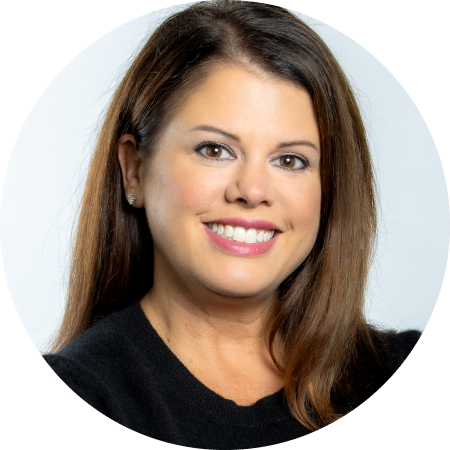
But Sara emphasizes that accountability doesn’t sit solely with leadership:
“Ownership isn’t just on the manager. Employees are encouraged to take initiative - to bring up their aspirations and ask for development opportunities.”
This shared model of accountability has fostered a more open, engaged culture where succession discussions feel like part of the organization’s rhythm rather than a reactive measure.


