
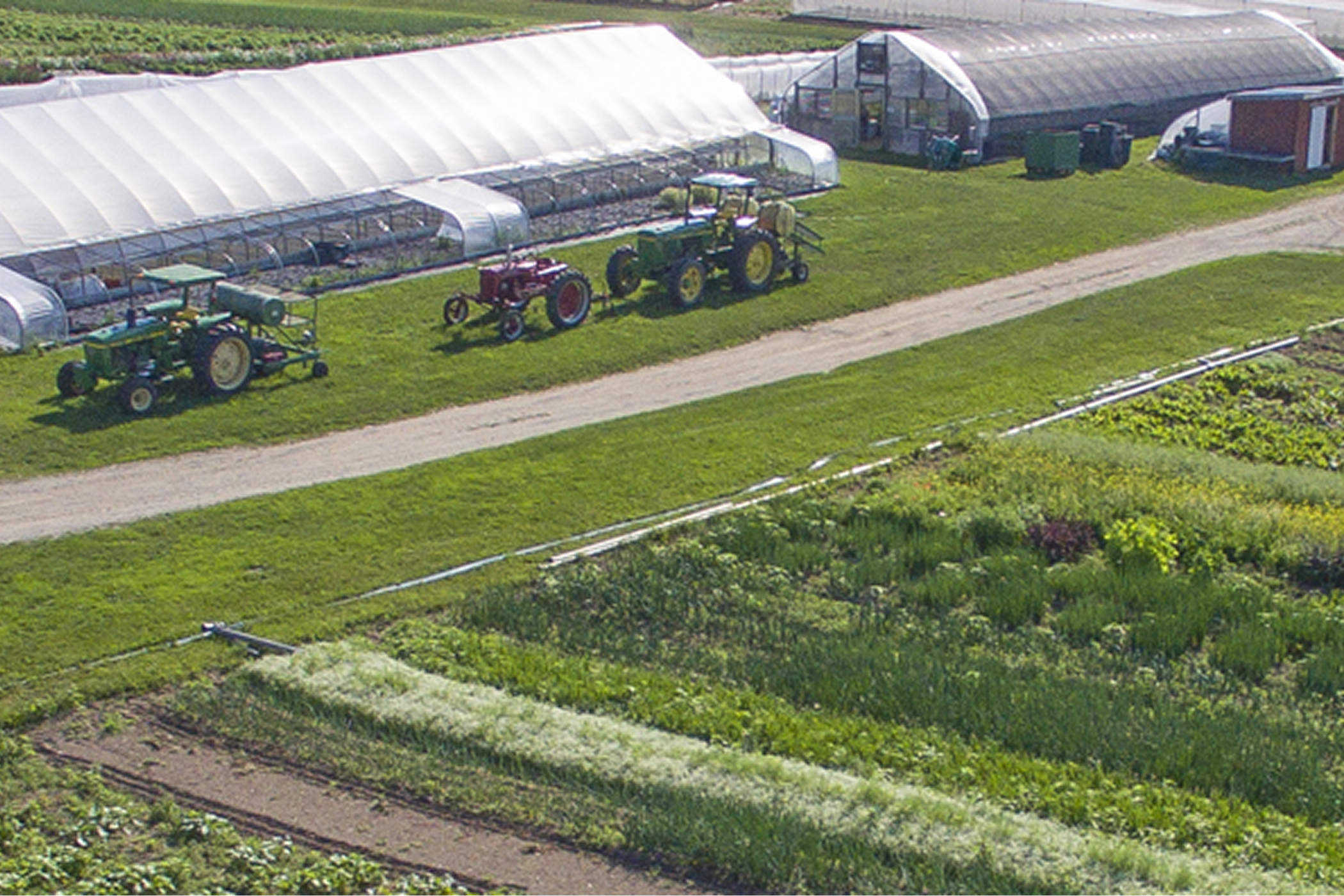
Johnny’s Selected Seeds began in 1973 with a simple idea and a very small workspace. Founder Rob Johnston Jr., just 22 years old at the time, started the business with $500 in savings in the attic of a New Hampshire farmhouse. What began as a small seed operation gradually grew into something much larger.
Today, Johnny’s Selected Seeds is a national and international multichannel retailer with roughly 300 employees. In 2006, the company transitioned to a 100% employee-owned structure, reinforcing a culture where employees share directly in the company’s success.
That sense of shared ownership and long-term thinking continues to shape how the organization approaches its future, including how it develops the next generation of leaders.
For much of the company’s history, formal succession planning simply wasn’t a pressing concern.
Johnny’s had long benefited from remarkable employee retention. Many team members spent decades with the organization, including individuals who had been there since the company’s early years.
“There was a time when we didn’t really have to worry about it,” says Kurt Webster, Director of Human Resources. “A lot of our employees have been here since the company was founded.”
But the pandemic years brought significant change.
Like many organizations, Johnny’s experienced both growth and turnover at the same time. Business increased, while several long-tenured employees retired or moved on. The workforce began to shift, with senior leaders approaching retirement, mid-career professionals stepping into larger roles, and newer employees entering the organization.
“That combination really creates a tipping point,” Kurt explains. “When an organization grows quickly, it starts to put stress on processes that worked fine before.”
Processes that once developed organically now needed to become more intentional. Understanding where key skills lived across the organization, identifying future leaders, and creating clearer development pathways became increasingly important.
While succession planning had existed informally in pockets of the organization, Johnny’s recognized the opportunity to bring more structure to the process.
Some managers had always been thoughtful about developing their teams and thinking about future leadership needs. But those efforts were often individual rather than part of a shared organizational approach.
“We have managers who are already doing a great job developing their people,” Kurt says. “But it wasn’t something that existed consistently across the organization.”
Creating a consistent framework meant starting with the fundamentals. Conversations around performance, potential, and leadership readiness became more structured, often using familiar tools like the 9-box framework to help managers evaluate and discuss talent more consistently.
Those early conversations took time.
“Succession planning can be a difficult discussion because there’s a lot of work happening behind the scenes,” Kurt explains. “But once you start having those conversations, people begin to see the value.”
Over time, those discussions helped bring greater visibility to the organization’s leadership pipeline and clarified where development efforts could have the greatest impact.
For Johnny’s, succession planning is not simply about preparing for leadership transitions. It is closely connected to the company’s broader mission.
Johnny’s supports growers who feed families, strengthen communities, and sustain local food systems. Supporting those growers requires knowledgeable teams, strong leadership, and a deep understanding of the agricultural community the company serves.
That’s why developing people internally has become an important priority.
As one of the larger employers in its county, the organization recognizes the importance of creating meaningful development opportunities and clear career pathways.

“We don’t do development because we can guarantee someone will stay,” Kurt says. “We do it because it’s the right thing to do. And if they stay and continue to grow their career here, that’s fantastic.”
The company’s ESOP structure plays a significant role in shaping this approach.
Because employees collectively own the company, there is a strong sense of shared responsibility for its future. Decisions about leadership development, succession planning, and talent growth are not just operational priorities. They are investments in the long-term strength of the organization.
That mindset also influences the culture employees describe inside the company.
“It’s probably the nicest company I’ve ever worked for,” Kurt says. “And I mean that in the best possible way.”
The mission behind the business plays a large role in that culture.
“Helping people feed themselves, their families, and their communities is a powerful thing,” Kurt explains. “It’s easy to get behind work that has that kind of purpose.”
More than fifty years after its founding in a farmhouse attic, Johnny’s Selected Seeds continues to evolve.
As the company grows, succession planning is becoming an increasingly important part of how it prepares for the future. By creating more structure around talent conversations, identifying future leaders earlier, and supporting development across the organization, Johnny’s is strengthening its leadership pipeline while staying true to the values that shaped its earliest days.

“There was a time when we didn’t really have to worry about it,” says Kurt Webster, Director of Human Resources. “A lot of our employees have been here since the company was founded.”


