
.jpg)
Sunmark Credit Union’s President & CEO, Jerilee Beaudoin, fosters a “people first” culture and invests in employee development. Under her leadership, succession planning has evolved from a largely manual talent exercise into a more structured, organization-wide approach to understanding readiness and developing people.
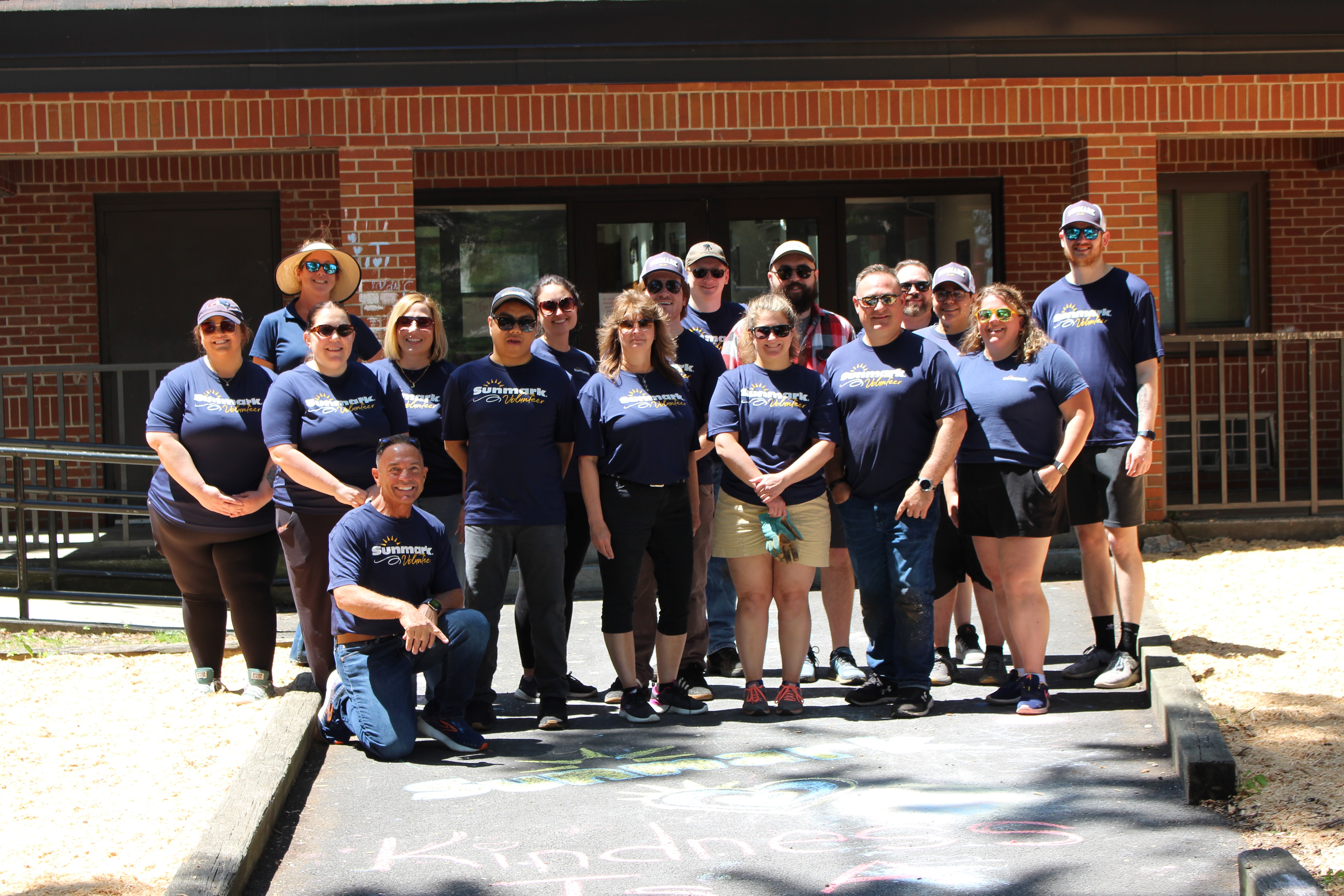
Founded in 1937 by General Electric employees, Sunmark has grown from a small employee credit union to supporting members and communities throughout 23 counties in New York. With approximately 270 employees, the credit union has continued to grow while keeping its founding principle of “People helping People” central to how it operates.
For Brittney Campbell, AVP of Total Rewards & HRIS, strengthening succession planning meant creating a process that could provide greater visibility into talent, support more objective decisions, and prepare the organization for future leadership needs.
It also came at an important time for the credit union industry. Effective January 1, 2026, the NCUA’s final succession planning rule requires federally insured credit unions to establish board-approved written succession plans covering specified leadership and critical positions.
For Sunmark, however, the opportunity was about more than documenting a plan. It was about building a stronger connection between talent identification, role readiness, organizational skills, and employee development.
Sunmark had been using a traditional 9-Box Talent Grid for several years to evaluate performance and potential and identify high-potential employees.
The process provided a valuable starting point for leadership discussions, but it was managed largely through a manual Excel dashboard. As more people and roles entered the conversation, the limitations became increasingly apparent.
“One of our biggest challenges was moving from a largely manual succession planning process to a more structured and scalable approach,” Brittney recalls.
Manually completing assessments made it difficult to apply the process consistently, maintain visibility into bench strength, and connect broader talent discussions to the readiness requirements of specific roles.
Sunmark partnered with SuccessionHR to bring its 9-Box Talent Grid and succession planning processes into one centralized platform. Through that transition, Sunmark was able to reevaluate employees using a more standardized approach and identify approximately 40 key roles across the organization — a significantly broader scope than its previous manual process had supported.
“We have been doing 9-Box for several years,” Brittney says. “However, the ease of using the platform, along with the reporting, has been a game changer.”
Centralizing the process gave Sunmark more than a convenient way to complete assessments. It created a clearer view of talent across the credit union and provided a foundation for connecting performance and potential to specific organizational needs.
While the 9-Box Talent Grid can help organizations understand performance and potential, Sunmark recognized that it couldn’t answer every succession planning question on its own.
Identifying someone as a high-potential employee doesn’t necessarily indicate which role they may be suited for, how prepared they are to assume it, or what development they need before they are ready.
Sunmark began integrating its 9-Box assessments more directly with succession planning, creating a clearer connection between performance, potential, and successor identification.
The credit union also introduced competency and readiness assessments for both incumbents and potential successors. Rather than relying primarily on perceptions or assumptions, leaders could assess people against defined role requirements and identify specific strengths and gaps.
"The addition of skills assessments and gap analysis provided greater objectivity," Brittney notes. "It allowed us to identify opportunities and improvements that were not recognized previously."
This shift gave Sunmark a more complete way to evaluate its leadership pipeline. Talent discussions could move beyond who was performing well today to consider what future roles require and what each person would need to become ready.
As succession planning became a greater regulatory focus for credit unions, Sunmark saw an opportunity to formalize and broaden its existing approach.
The NCUA rule requires succession plans to address covered positions, anticipated vacancies when known, strategies for permanently filling roles, and approaches for recruiting candidates with the potential to assume them. It also gives credit unions flexibility to create plans that reflect their individual size, complexity, and risk profile.
Sunmark’s previous process was primarily centered on high-level leadership discussions and talent identification. As expectations evolved, the credit union wanted to build a more comprehensive process that could support documentation and governance while also creating meaningful value for the organization.
“As regulatory scrutiny increased, we wanted to partner with someone who could not only incorporate our 9-Box approach, but also help us expand our focus,” Brittney explains.
That meant broadening how Sunmark defined key roles, creating more comprehensive readiness assessments, and documenting development plans for both incumbents and potential successors.
Today, Sunmark assesses individuals against the defined requirements of each key role and creates plans to address identified gaps. This provides greater support for leadership continuity and regulatory expectations, but it also helps the credit union strengthen its broader workforce and leadership pipeline.
“This allows us to level up the incumbent within the key role, not just plan for the replacement,” Brittney explains.
Sunmark’s approach has also expanded beyond identifying potential successors for individual roles through organization-wide skills mapping.
A clearer view of employee skills helps the credit union understand where important capabilities currently exist, where gaps may be forming, and which employees could contribute in ways that may not be visible through their current titles or responsibilities.
“This gives us greater visibility into hidden talent and future opportunities,” Brittney says.
That information can support succession planning, but its value extends into other areas of talent management. Sunmark can use skills data to inform employee development, internal mobility, project staffing, and efforts to retain high-potential employees.
It also allows the organization to have more meaningful career conversations. Instead of viewing succession planning only through the lens of replacing leaders, Sunmark can use it to explore where employees could grow and how their capabilities may align with future organizational needs.
"This evolution has helped position succession planning as a tool for greater employee development across the credit union," Brittney reflects.
Sunmark’s journey demonstrates that regulatory requirements and meaningful talent development don’t need to be competing priorities.
A written plan can provide documentation. A 9-Box assessment can provide insight into performance and potential. A list of key roles can clarify where continuity matters most.
The greater value comes from connecting those elements.
By centralizing its 9-Box Talent Grid and succession planning processes, Sunmark is building a clearer view of both its current capabilities and its future leadership needs.
The result is an approach that supports regulatory expectations while moving well beyond compliance. Succession planning is helping Sunmark prepare for future vacancies, strengthen current leaders, uncover hidden talent, and create more intentional opportunities for employees to develop.
For Sunmark, succession planning is no longer just about identifying who could step into a role. It’s becoming a more connected way to understand talent, address readiness gaps, and strengthen the credit union’s leadership pipeline over time.
About Sunmark Credit Union: Since 1937, Sunmark Credit Union ($1.2 billion in assets; 90,000+ members) has been helping members improve their financial position. Sunmark is committed to the financial health and well-being of each member by offering tools that educate and inform and products and services that make it easier to reach financial goals. For more information, call 866-SUNMARK or visit www.sunmark.org.
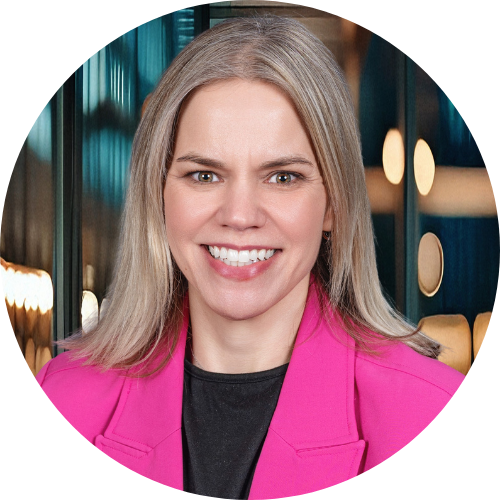
“As regulatory scrutiny increased, we wanted to partner with someone who could not only incorporate our 9-Box approach, but also help us expand our focus,” Brittney explains. “The ease of using [SuccessionHR], along with the reporting, has been a game changer.”


